Evidence-Informed Care
Assessment findings and current clinical guidance shape each plan — not a one-size-fits-all protocol.
Assessment-led physiotherapy, manual therapy, and movement analysis in Bhubaneswar—built around the activities you need to return to.
Start with an assessment. Recommendations follow your history, movement, function, and goals.
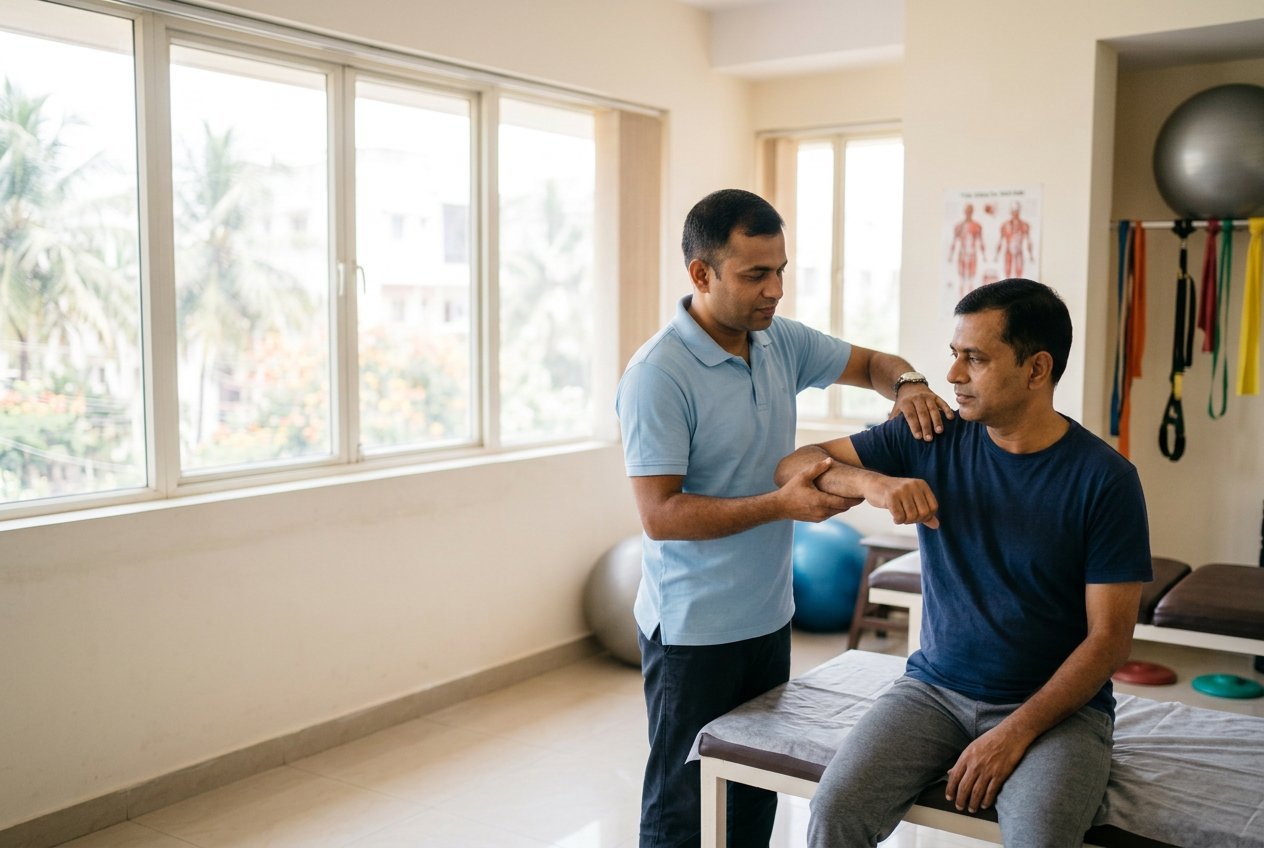
Start with what hurts or what movement has become difficult.
Choose the area or context that feels closest to your concern.
Still unsure? You do not need to select a diagnosis before contacting the clinic.
Book assessmentPhysiotherapy is not an emergency medical service. Call 112 for a medical emergency.
Assessment, explanation, and treatment grounded in clinical reasoning — the conditions, treatments, and clinician behind your care.
Clear assessment, individual planning, measurable review, and clinic-to-home continuity.

Assessment findings and current clinical guidance shape each plan — not a one-size-fits-all protocol.
Hands-on care is integrated with movement and active rehabilitation for a balanced recovery.
Progressions reflect your goals, tolerance, work, sport, and daily life — reviewed at each stage.
Movement, strength, function, gait, and relevant tasks are considered together with your history.
Your assessment and care remain focused on your individual presentation — not a group setting.
Review points and maintenance strategies support continued movement long after the initial plan.

Physiotherapist and manual therapy specialist. MPT (Orthopaedics), Utkal University.
The first goal is to understand what has changed, what matters to you, and what a clinically appropriate next step may look like.
Qualifications and scope presented clearly for informed patient choice.
Clinically reviewed by Dr. Tapas Mitra, MPT (Orthopaedics) · All clinical content on this site is reviewed for accuracy and appropriateness.
Assessment, explanation, appropriate intervention, active rehabilitation, and review.
No two presentations are the same. The approach below keeps your individual context at the centre of every decision.
Start with your concern, context, relevant history, and functional goal. The first conversation shapes everything that follows.
Discuss findings and clinically appropriate options in clear language. You should understand what is happening and why before any treatment begins.
Measure response, adapt the plan, and support practical self-management. Progress is reviewed at each stage — not assumed.
Care develops through assessment, explanation, appropriate treatment, active recovery, and review.
Start with what hurts and what activity has become difficult.
Review history, movement, strength, and relevant function.
Explain findings and factors that may be contributing.
Combine appropriate care with active rehabilitation.
Progress toward meaningful movement and activity goals.
Continue with practical strategies for long-term movement.
Every pathway begins with understanding your individual presentation.
Book assessmentExplore common presentations and the assessment pathways used to understand them.
Back pain, stiffness, and activity limitations.
Understand this concernNeck symptoms affecting work, sleep, or movement.
Understand this concernPain or weakness with reaching, lifting, or sleep.
Understand this concernShoulder pain and stiffness that restrict reaching and daily activity.
Understand this concernJoint pain, stiffness, and reduced confidence with movement.
Understand this concernSymptoms affecting walking, stairs, work, or sport.
Understand this concernPhysiotherapy, manual therapy, rehabilitation, movement analysis, and home care.

Hands-on techniques integrated with movement, education and exercise when appropriate.
Explore Manual Therapy
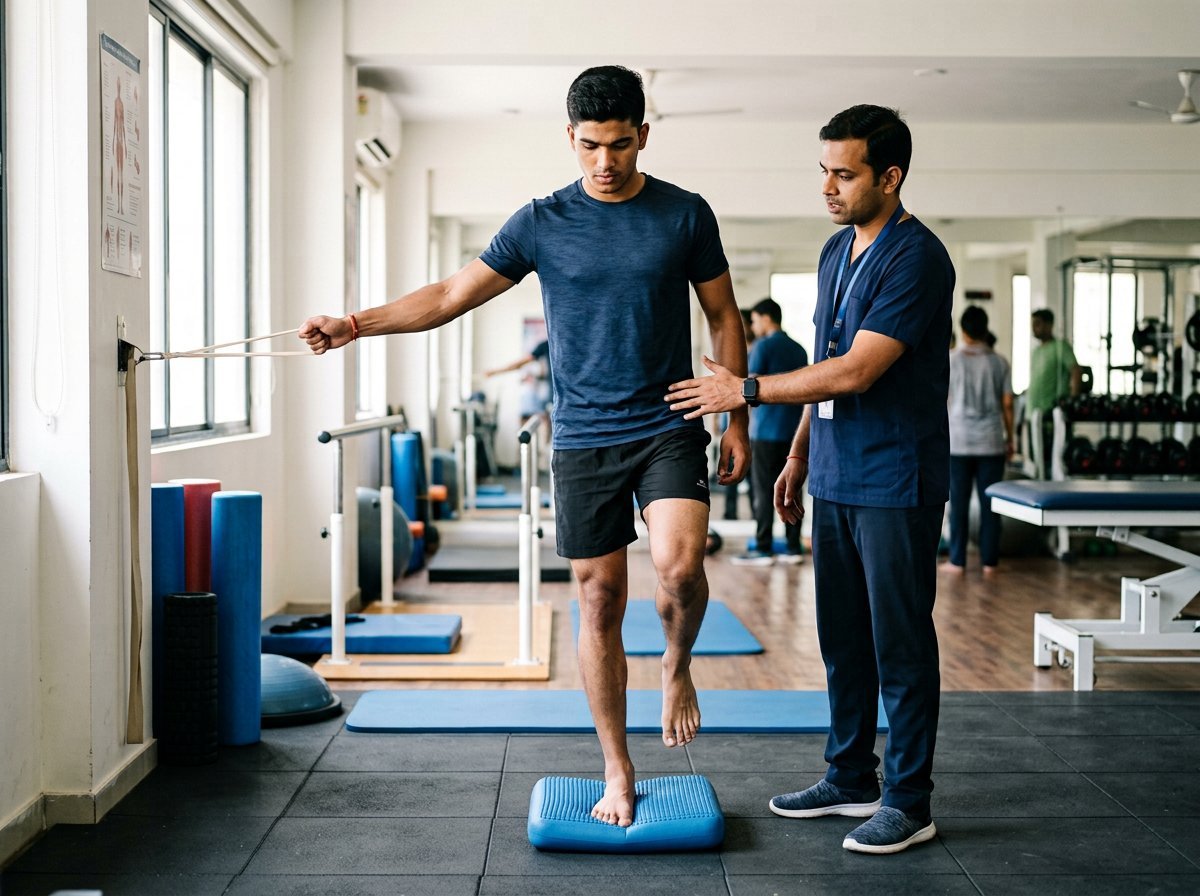
Recommendations depend on assessment findings, goals, clinical suitability, and response to care.
Book assessmentMovement analysis, rehabilitation, and a progressive return toward the activities that matter to you.
2D and 3D movement insight for gait, running, posture, and functional tasks.
Recorded movement complements—but does not replace—history, examination, and clinical reasoning.
Ask if it is suitableExplore clinic, home, senior-mobility, and community pathways according to access, goals, and clinical suitability.

Specialist physiotherapy for people whose mobility makes clinic travel difficult.
Practical strength, balance, and walking support.
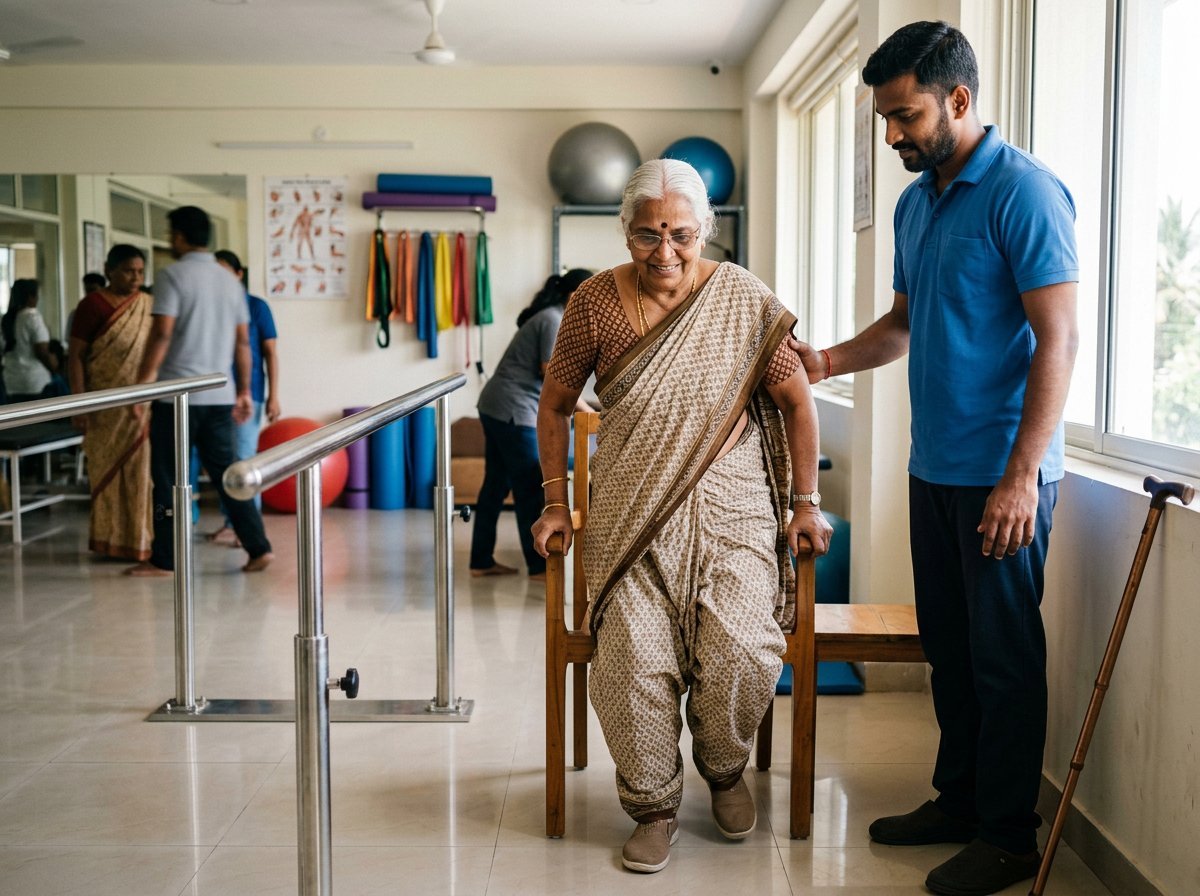
Accessible movement and recovery education for community groups.
Clear answers before your first visit.
Ask the clinic a questionA referral is not usually required. Bring relevant medical guidance when available.
The recommendation depends on the assessment, goals, and response to care.
Availability depends on location, scheduling, and clinical suitability.
It is a structured review of recorded movement used alongside clinical assessment.
Urgent requests are subject to clinician availability. For a medical emergency, call 112.
Understand documentation, payment options, and what to confirm with your insurer.
Please contact the clinic for current fees and confirm reimbursement eligibility directly with your insurer.
Home physiotherapy, the clinic location, patient experience, and a clear way to book.
Clinic care in Saheed Nagar and home-visit coverage across Bhubaneswar.
Dr. Tapas Mitra Physiotherapy & Manual Therapy Clinic
Physical therapy clinic · Physiotherapist
Plot No A/195, Maharishi College Road, Opposite ESI Dispensary, Near Mocha House, Saheed Nagar, Bhubaneswar, Odisha – 751007Clinic visits Monday–Saturday by confirmed appointment; Sunday closed. Phone response available 24×7.
Availability depends on route, timing, and clinical suitability. Tap an area to open its home-visit landing page.
Share only the contact and scheduling details needed for the clinic to respond. Relevant health information can be discussed directly and privately.
For a medical emergency, call 112. This form is not an emergency service.
Until that review is complete, please call or WhatsApp the clinic. Do not send medical records or emergency information.